Trust Fund Baby Why Don't We M4a Iplushub
one / 7
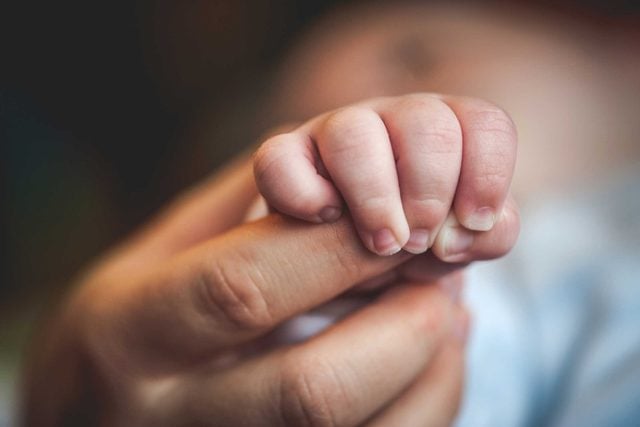
Your baby looks to you for comfort
It is evident your infant trusts yous if you are the first one he or she reaches for in times of fear, surprise, or pain. If fourth dimension after time yous have provided comfort to your child during unsettling times, your consequent reassurance has provided the foundation for the trust that babies crave to feel secure. Babies are helpless and solely dependent upon the adults in their lives to encounter their needs for survival. When those needs are met consistently, trust develops. Kathy Eugster, a clinical counselor and play therapist, explains that trust is formed from positive and negative experiences. "Trust is all about attachment. When a caregiver provides consequent, anticipated, and reliable intendance, the child develops trust in the world and a sense of confidence. If care is unpredictable, inconsistent, and unreliable, the child develops mistrust in the world which could result in anxieties and insecurities," she says. Related: Observe out all the ways your baby is fifty-fifty smarter than you realize. It's important to also trust the brands of products that y'all use. Hither are the most trusted brands in America.
2 / seven
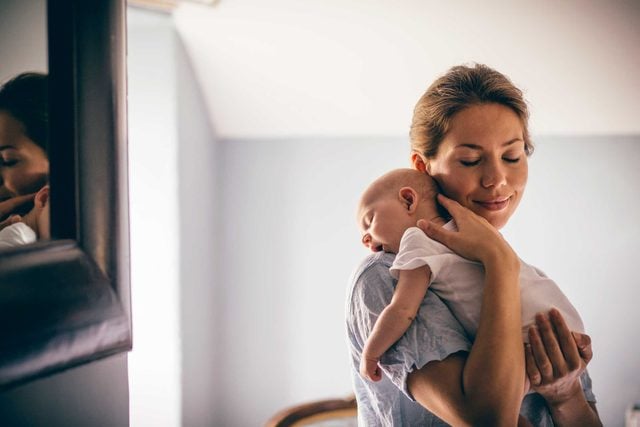
Your babe finds condolement in your arms
When an infant tin can be soothed past your voice or physical condolement, this is another way she shows she trusts you. Infants identify caretakers by sight, smell, and sound, and when whatever of these provide a level of comfort to a babe it is evidence of an established bond. "Between the moment of nascency through about eighteen months of historic period, babies are learning about their world, including who and what they can depend on, and who and what they can trust to meet their needs," Lisa Fiore, PhD, and a child evolution professor at Lesley Academy, says of infant bonding. "These needs include physical also as emotional and intellectual needs, and babies respond to their caregivers in different ways. Their relationships with caregivers are evident from the very outset moments of life." Check out these bizarre facts almost newborns.
iii / 7
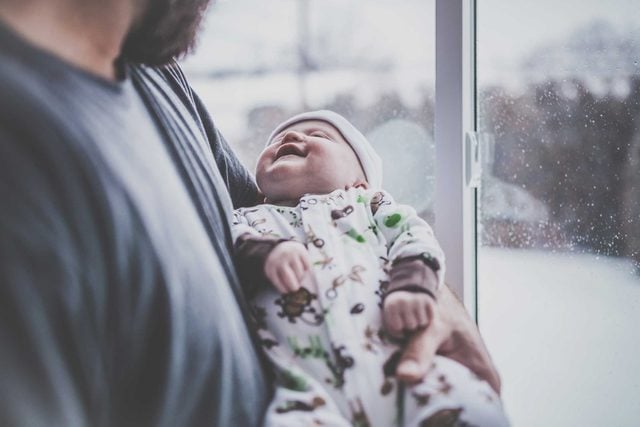
You lot are a condom base
A baby who is secure in his surroundings and feels confident his needs will exist met, will oftentimes explore the world while using something experts call a "safety base." Your infant will crawl around the room, maybe filled with strangers, and when something feels unsettling or surprising, he or she will look dorsum to you to examine your response. You lot symbolize a place of rubber and protection equally your child ventures beyond his usual boundaries. If you give the get-ahead that it is safe for your baby to continue exploring, and so he or she will continue to explore with confidence. If you lot indicate that you are unsure, or it might not exist safety, he will return to the safety of your arms or lap. "While [babies] may venture a piddling farther when learning to crawl, or accept the artillery of a stranger, they'll only do so with your reassuring eyes," Michele Kambolis, MA, a kid and family therapist, writes of the safe base scenario. "Being your baby's base of operations of security from which they can explore their surrounding surroundings is a safe bet your attachment is strong."
4 / 7
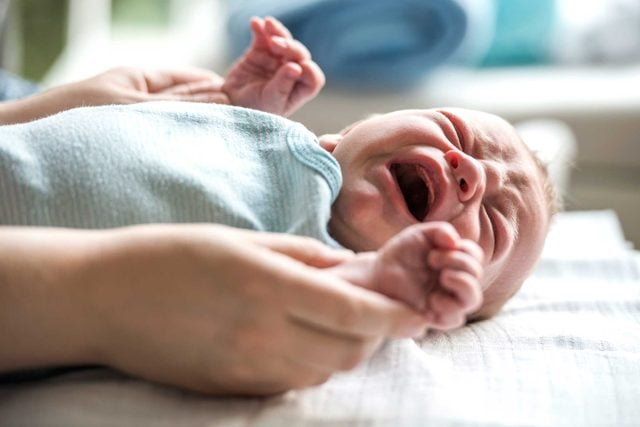
Your baby cries with expectation
An infant who trusts her caregivers will cry to communicate with them, expecting that her message will be heard and responded to. A baby's only method of verbal advice is through crying, and it is a very constructive 1. "Modes of advice from a infant are fairly limited, and the most common form of communicating early is crying. It is one of the most ingenious aspects of the human survival instinct. People are naturally wired to feel uncomfortable when a baby cries, and therefore are wired to want to soothe the babe," Lisa Fiore says. "Caregivers come to recognize quite rapidly whether a baby's weep is indicative of hunger, exhaustion, wet diaper, or the unproblematic desire for attention and human being connexion. As caregivers and babies develop a pattern of give and have, where the babe cries or coos and the caregiver responds, there is a mutual appreciation and reward that comes from the interaction."
5 / 7
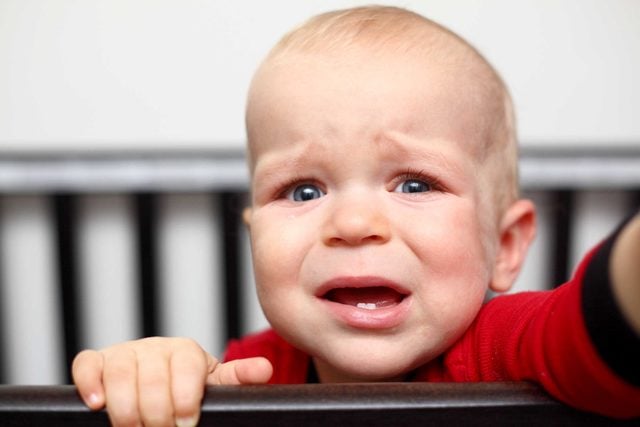
Your baby has separation anxiety
Although leaving a crying baby is among the things every parent dreads, it actually is a sign of secure attachment and development of trust. Babies know that their needs will be met by their trusted caregivers, and when a transition of care occurs it is natural for babies with healthy attachments to experience unsure and upset. Balance bodacious, however, that your baby will build new bonds of trust with the babysitter or nanny, it will just take time. Stay positive during drop offs, keeping them short and sweet, and your little i will eventually come around. Alex Barzvi, PhD, and clinical director of the New York Academy Child Study Center'south Institute for Anxiety and Mood Disorders told parenting.com that he recommends a short and sweet goodbye, explaining, "A quick 'Bye, James, see you lot this afternoon!' is platonic. Prolonging the deviation gives your child the idea that in that location's something to be afraid of." Effort to focus on the silver lining in this situation, your babe trusts you and has bonded with you in a way that no i tin replace.
six / 7
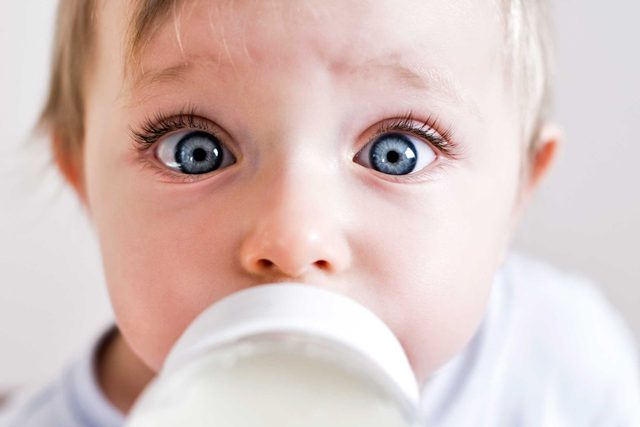
Your baby stares at you
Babies utilise every sense to learn about the world around them. The odour of his female parent is one of the start things committed to a infant's memory, as his very survival is dependent on its recognition. It makes sense then, that an babe would stare intently at his or her caregiver to memorize the face up of the i that answers every cry, provides every feeding, and gives a feeling of security and comfort more than anyone else. Apply these special moments of connection with your baby to deepen your bond by smiling at your picayune i and stroking his or her face up. These early interactions promote social skills that your child will utilize the rest of his or her life. When your baby is staring at you as though y'all are the most interesting thing he or she has ever seen, know that this is a sign of not only love, but trust.
7 / 7
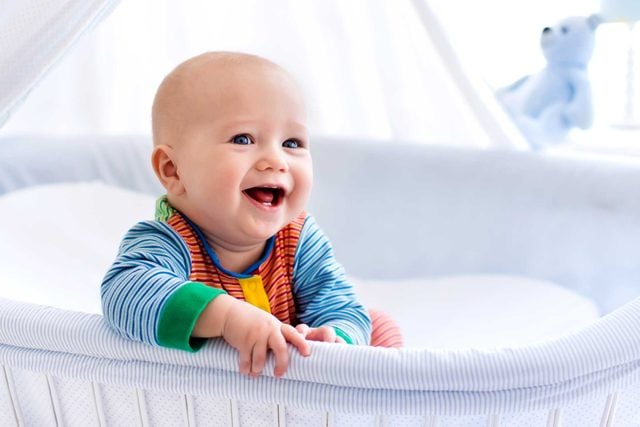
Your baby smiles and laughs
A happy babe is one with a secure zipper and strong trust in his or her caregivers. When a baby feels comfy enough to smile and express mirth with a caregiver, information technology is a sign of trust. An unsure or uncomfortable babe volition oft appear serious or hesitant, especially with strangers or those he or she is unfamiliar with. Fiore says of infant smiles and evolution of trust, "As babies abound, their social smiles are received by parents and caregivers as the ultimate reward! There is something tremendously heartwarming about an infant's smile. When the baby's needs are met consistently over time, a secure sense of trust is established. This doesn't mean that the baby gets everything he wants the second he cries, but rather that the caregiver volition indeed provide anticipated support and tenderness, besides every bit firm resolve when information technology is in the baby's best involvement. These early trusting relationships provide a pattern for time to come relationships."
Originally Published: June 02, 2017

Source: https://www.rd.com/list/signs-baby-trusts-you/

Post a Comment for "Trust Fund Baby Why Don't We M4a Iplushub"